Federal Priorities:
- Oppose Sweeping Proposed Changes to Federal Grantmaking: On May 29, 2026, the U.S. Office of Management and Budget proposed sweeping changes to federal grant rules that could create significant financial risk and instability for nonprofits, reduce transparency, and allow greater discretion to withhold or alter funding. If implemented, these changes could make federal funding less predictable, discourage participation from qualified organizations, and disrupt essential services—such as housing, health, education, and disaster recovery—particularly in underserved communities. Read more here.
-
- Chart of Proposed Changes (National Council of Nonprofits)
- *TAKE ACTION*
-
Schedule In-District Meetings with your Members of Congress. Use this time to meet with your congressional delegation or attend their public events to ask them to block the proposed changes. Use National Council of Nonprofit’s August Recess checklist to learn more.
-
Publish an Op-Ed or Letter-to-the-Editor in Your Local Newspaper. Help raise awareness about how this harmful proposal will directly harm the seniors, families, and individuals in your community.
-
Educate community members about how this proposal will impact them!
-
- Defending Nonprofit Nonpartisanship: For nearly 70 years, an important provision in the federal tax code Section 501(c)(3), sometimes called the Johnson Amendment, has provided that in exchange for tax-exempt status, a charitable nonprofit, foundation, or religious organization may “not participate in, or intervene in (including the publishing or distributing of statements), any political campaign on behalf of (or in opposition to) any candidate for public office.” This language serves to protect charitable nonprofits, houses of worship, and foundations – and the donating public by ensuring organizations dedicated to the public good remain above the political fray. Nonprofits operate as safe havens from the caustic partisanship that is bedeviling our country, places where people can come together to solve community problems. Repeal or revision of the law would damage the integrity and effectiveness of all charitable nonprofits and foundations.
- Economic Impact of the One Big Beautiful Bill (OBBB): Enacted in 2025, H.R. 1 included several provisions that directly undercut charitable giving and nonprofit financial sustainability. According to Indiana University, H.R. 1 will reduce total annual charitable giving by an estimated $5.69 billion per year.
- Tax Reconciliation 3.0: KNN and the National Council of Nonprofits urge Congress to ensure any tax reconciliation bill protects charitable nonprofits and their ability to deliver essential services to communities nationwide. Despite this critical role, nonprofits face unprecedented challenges. Significant federal funding cuts and recent changes in tax policy that decrease charitable giving strain already tight budgets. Many nonprofits have cut services, reduced staff, and closed their doors.
- Streamlining Federal Grants Act: Nonprofits are effective government partners, delivering vital services to local communities across the country. On January 28, 2026, Senators Gary Peters (D-MI) and James Lankford (R-OK) introduced the bipartisan Streamlining Federal Grants Act to help increase access to federal grants and resources so nonprofits – particularly those that are smaller, serving rural areas, or have limited resources – can continue to provide much-needed services in their communities. If enacted, the bill would improve the effectiveness and performance of federal grants and cooperative agreements, simplify application and reporting requirements, and facilitate greater coordination among federal agencies responsible for delivering services to the public.
Kentucky’s Federal Delegation Resources:
Senator Mitch McConnell
Email
Main office: (202) 224-2541
Field office locations & phone numbers
Senator Rand Paul
Email
Main office: (202) 224-4343
Bowling Green field office: (270) 782-8303
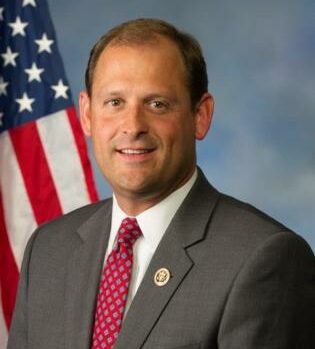
Congressman Andy Barr
Email
Main office: (202) 225-4706
Lexington field office: (859) 219-1366
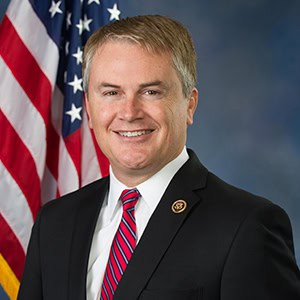
Congressman James Comer
Email
Main office: (202) 225-3115
Field office locations & phone numbers
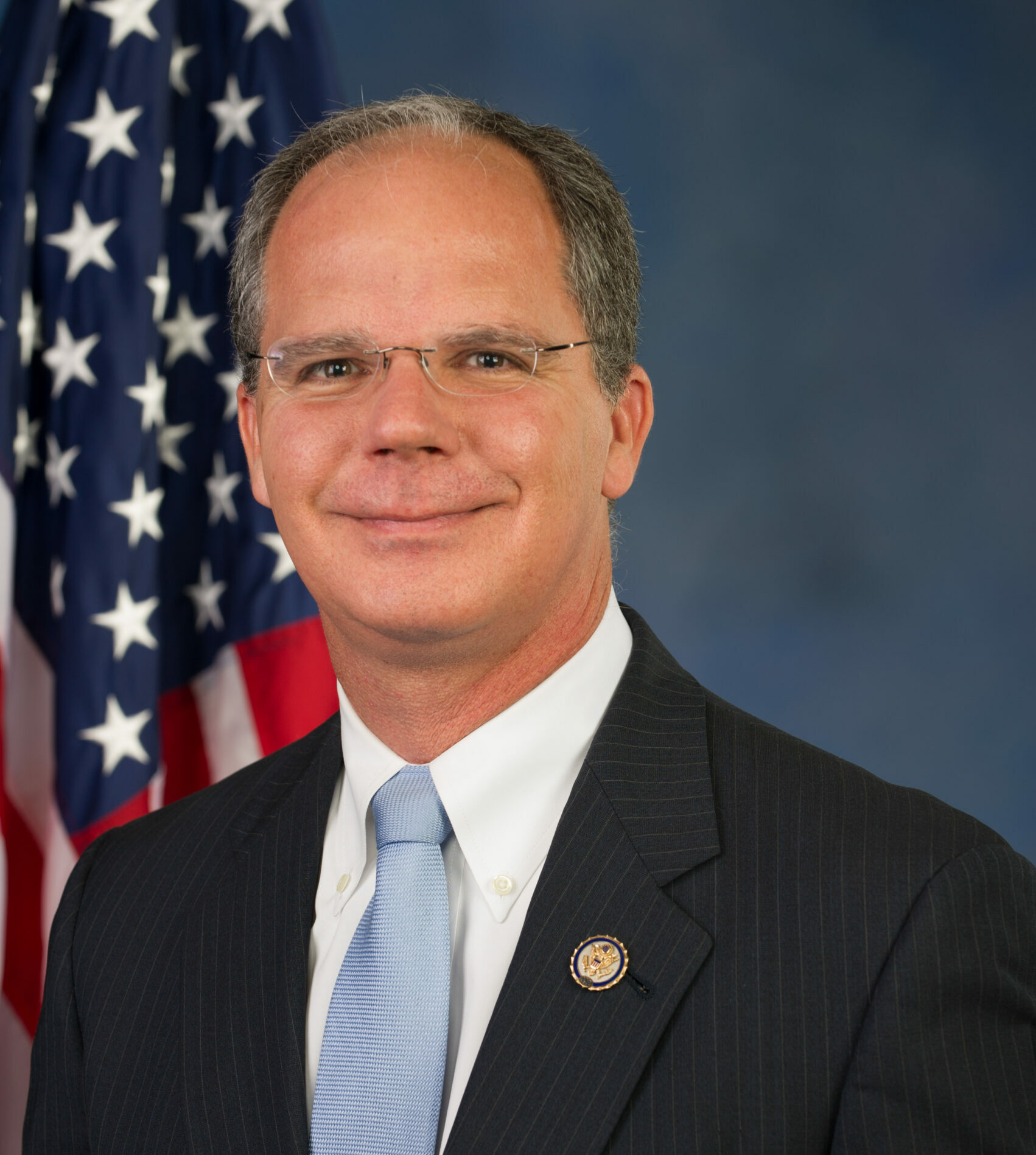
Congressman Brett Guthrie
Email
Main office: (202) 225-3501
Field office locations & phone numbers
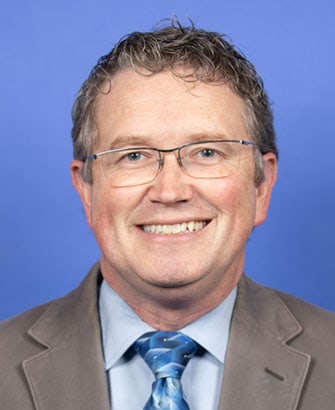
Congressman Thomas Massie
Email
Main office: (202) 225-3465
Field office locations & phone numbers
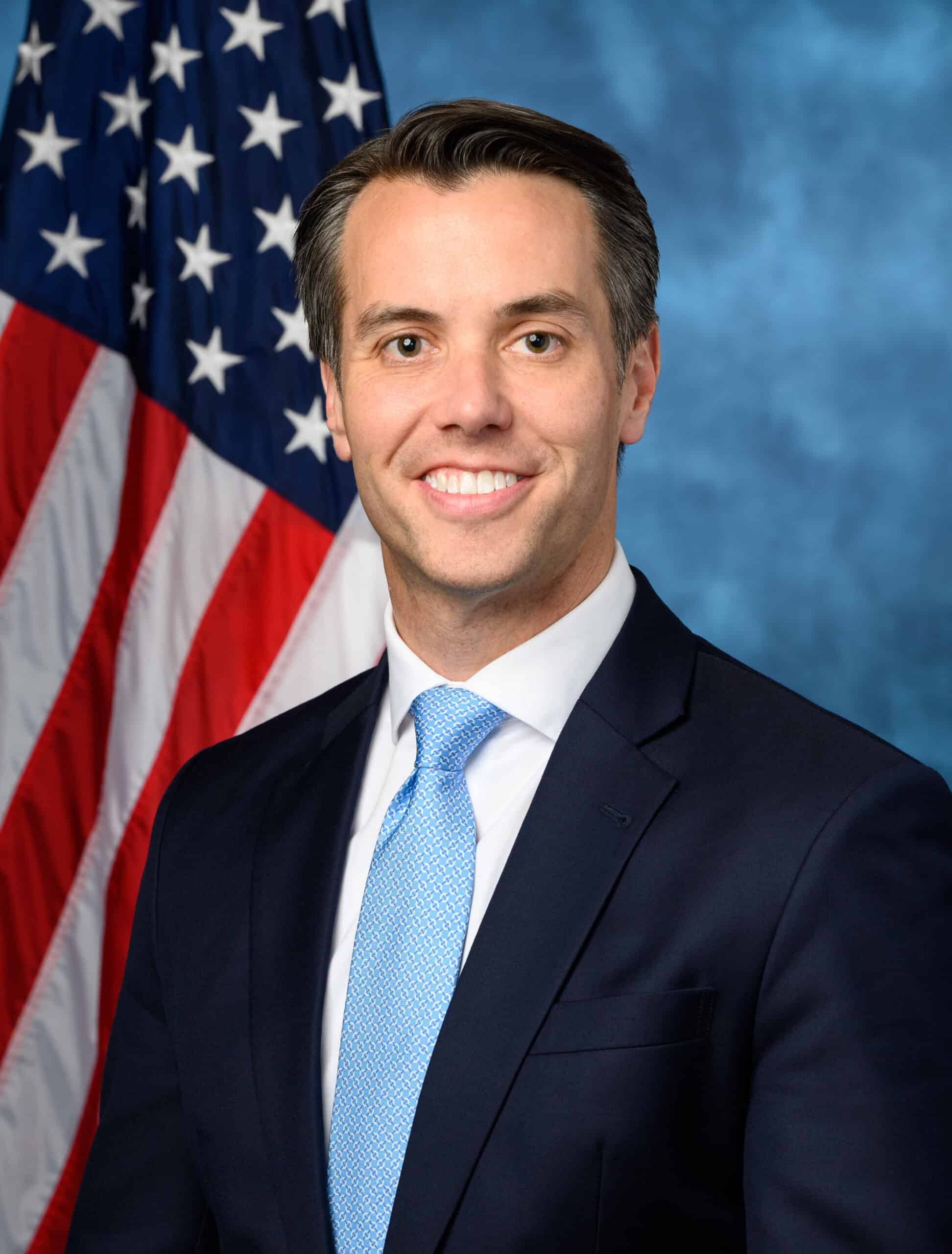
Congressman Morgan McGarvey
Email
Main office: (202) 225-5401
Louisville field office: (502) 582-5129

Congressman Hal Rogers
Email
Main office: (202) 225-4601
Field office locations & phone numbers
2026 Legislative Priorities:
KY General Assembly Resources:
- Find your District / Find your Legislator
- Find your Senator
- Find your member of the House of Representatives
- Call the Legislative Message Line – 1-800-372-7181
- Legislative Research Commission website provides links to live-feed coverage, committee schedules and more. You can also follow coverage on the Legislature’s YouTube Channel or KET.
- Tips for Visiting with Legislators